
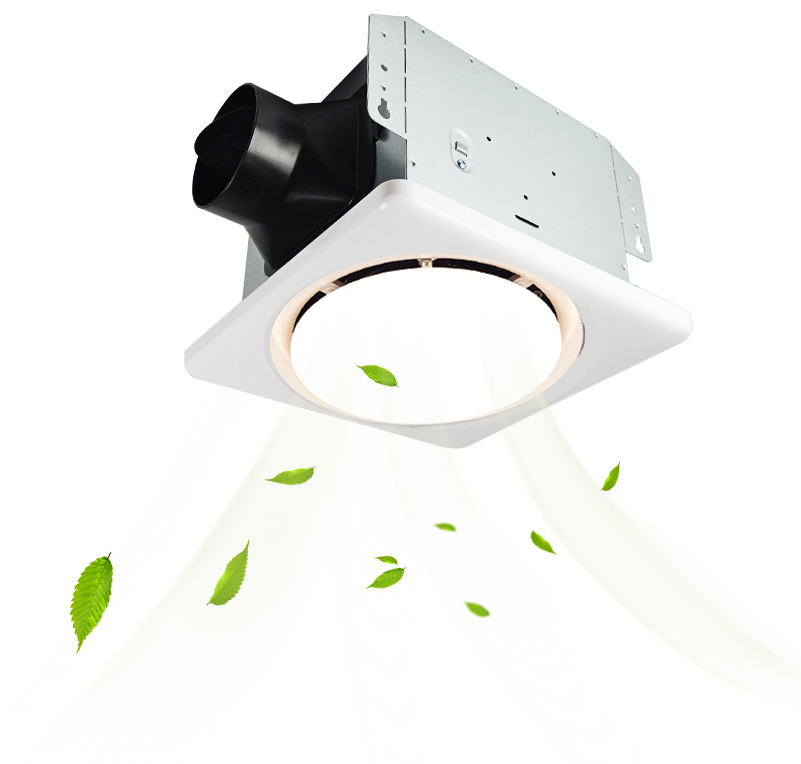
Energy Saving with LED lights
LED lights are more energy efficient than incandescent lamps in the same lighting situation. The reason is mainly its working principle and luminous efficiency.
LED lights convert electrical energy directly into light energy, so their luminous efficacy is very high and they are able to convert more electrical energy into light energy than heat energy. In contrast, incandescent lamps produce light by heating a tungsten filament, so their luminous efficacy is lower, and most of the electrical energy is converted into heat energy rather than light energy.
The luminous efficiency of LED lamps is higher than that of incandescent lamps. As an example, an incandescent bulb needs to consume 100 watts of electricity, but may only produce 15 watts of light; while an LED lamp only needs to consume 15 watts of electricity, but can produce 100 watts of light. Therefore, in the case of using the same brightness, the energy consumption of LED lights is significantly lower than that of traditional light sources such as incandescent lights.
In addition, the life span of LED lights is very long, which can reach tens of thousands of hours or even longer. Therefore, the use of LED lights can reduce the frequency of lamp replacement, thus further saving energy.
To summarize, the energy saving of LED lamps is mainly due to their high luminous efficiency, low energy consumption, long life and other advantages. However, it should be noted that, although LED lights can save energy, but in some special circumstances, such as the need for higher brightness or a wider range of lighting, you may need to choose a higher power LED lights.
E26 vs E27 Bulbs Interchangeable?
Color Rendering Index (CRI)
Related Article