How does an LED heat sink work?
2024-04-24

An LED heat sink is a device that absorbs the heat generated by an LED module and transfers it to the surrounding air. It helps with temperature regulation of the LED and avoids overheating. This is why LED heat sinks are critical to any LED lighting system.
LED heat sink refers to the process of taking away the heat from the LED light source through the use of a heat sink. The process is divided into several stages:
1.Generate Heat. When an LED light source is powered, it generates heat as a by-product of light emission.
2.Heat Transfer. The heat generated is transferred from the LED chip to the metal core printed circuit board (MCPCB) or heat sink.
3.Heat Dissipation. The heat sink is the thermal bridge between the LED chip and the surrounding environment. It conducts heat from the LED chip to the air. In addition, the large surface area of the heat sink provides ample space for heat dissipation.
4.Heat Radiation. Radiators dissipate heat into the surrounding environment through a combination of convection and conduction. Heat moves from the hot surface of the radiator to the cooler air. It creates a temperature difference that dissipates heat away from the LED chip.
5.LED Cooling. The LED chip temperature decreases as heat is dissipated, preventing overheating. It allows LEDs to operate at safe and efficient temperatures. The heat sink also helps prevent damage to the LED chips due to overheating.
Features and functions of downlight
What is the difference between illuminance and brightness?
Related Article


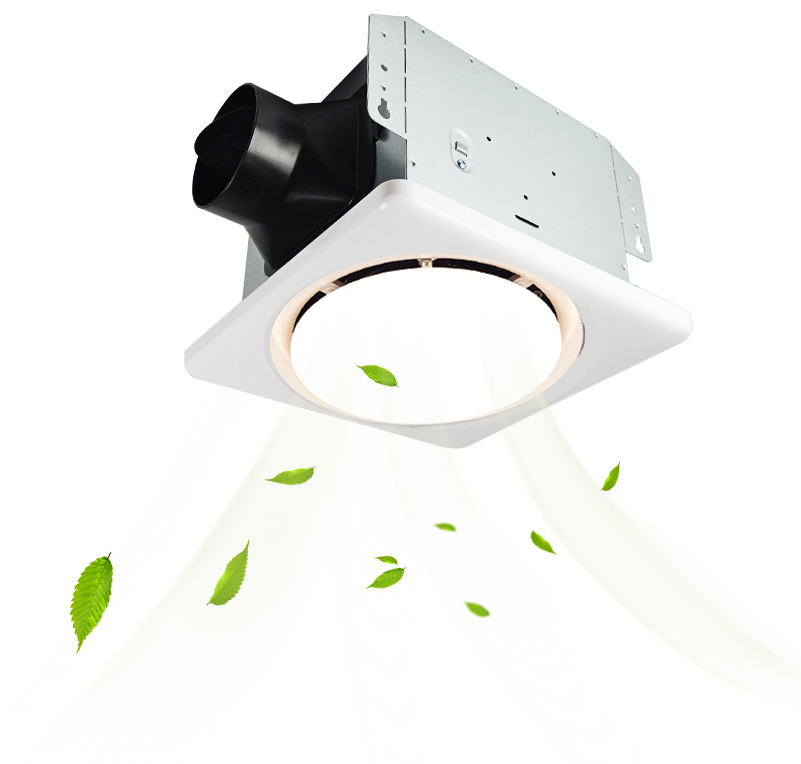
Every time after taking a shower, the room is full of water vapor? The kitchen fumes never seem to dissipate? Try this exhaust fan with LED light! It can quickly ventilate and refresh the air, and also be used as an ambient light, making it super convenient for installation in bathrooms and kitchens.
Exhaust Fan with Light —— The Perfect Combination of Quietness and Illumination